Best Polyurethane for Wood 2026: 8 Products for Tables, Floors, and Furniture
Last updated: 2026-08-21 · By NicheHive Editorial
This article contains affiliate links. If you purchase through these links, we may earn a commission at no extra cost to you. As an Amazon Associate, NicheHive earns from qualifying purchases. See our full disclosure.
Polyurethane protects wood from moisture, abrasion, and heat. We tested 8 polyurethane products for build quality, cure hardness, brush marks, clarity, and long-term durability on furniture and floors.
Our Top Picks
- #1Minwax Fast Drying Polyurethane Protective Wood Finish, Clear Gloss, 1 Quart
- #2General Finishes High Performance Water Based Topcoat, 1 Gallon, Satin
- #3Varathane Triple Thick Polyurethane Satin Wood Finish, Quart
- #4Rust-Oleum 260164 Ultimate Polyurethane, Quart, Semi-Gloss
- #5Minwax Oil-Based Wipe-On Polyurethane, 1 Quart, Satin
- #6Minwax Helmsman Indoor/Outdoor Spar Urethane, Quart, Semi-Gloss
- #7Waterlox Original Sealer/Finish, 1 Gallon
- #8Deft Interior Clear Wood Finish Gloss Brushing Lacquer, Quart

Minwax Fast Drying Polyurethane Protective Wood Finish, Clear Gloss, 1 Quart
Minwax
- ✓Oil-based
- ✓Fast dry
- ✓Satin, semi-gloss, gloss
- ✓Interior use
Pros
- The most available oil-based polyurethane in North America
- Oil-based formula provides the hardest cure of any consumer polyurethane tested
- Fast-dry formula reduces dust contamination during the cure window
- The most commonly used furniture finish for beginners and experienced woodworkers
Cons
- Interior use only
- Brush application requires technique to avoid brush marks
Best overall polyurethane. Minwax Fast-Drying is the reference recommendation for furniture finishing. The most available, the most tested, and the correct oil-based polyurethane for interior furniture, tabletops, and wood surfaces that see regular use. Apply thinned 10% for the first coat.
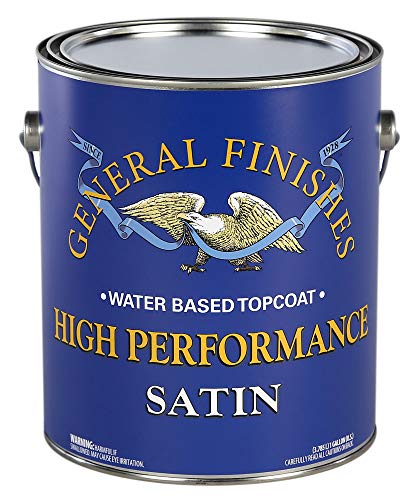
General Finishes High Performance Water Based Topcoat, 1 Gallon, Satin
General Finishes
- ✓Water-based
- ✓Non-yellowing
- ✓Fast dry
- ✓Low VOC
Pros
- Non-yellowing -- correct for light-colored woods where the amber of oil-based is undesirable
- Fast dry allows recoating in 2 hours for same-day multi-coat application
- Low VOC for shop air quality
- The most recommended water-based polyurethane by furniture makers
Cons
- Less durable than oil-based on high-wear surfaces like floors
- Water raises grain -- lightly sand after the first coat
Best water-based polyurethane. General Finishes HP is the reference recommendation for water-based furniture finishing. Non-yellowing, fast dry, and better durability than most water-based alternatives. The correct choice for light-colored woods (maple, ash) and painted furniture.
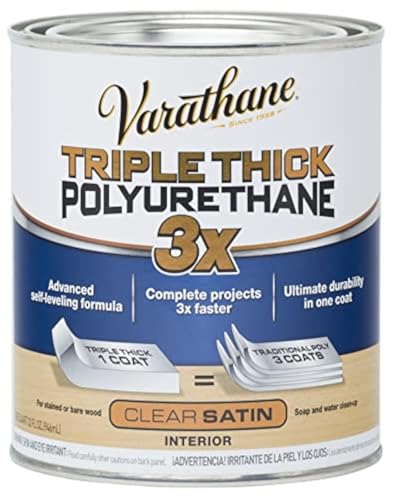
Varathane Triple Thick Polyurethane Satin Wood Finish, Quart
Varathane
- ✓Triple thick
- ✓One coat coverage
- ✓Oil-based
- ✓Fast build
Pros
- Single thick coat provides equivalent build to three regular polyurethane coats
- Reduces the number of coats required for adequate protection
- The correct choice when speed of application is the priority
- Oil-based durability in fewer coats
Cons
- Thick formula is more prone to brush marks and runs than thinner formulas
- Difficult to apply as evenly as thinner regular polyurethane
Best fast-build polyurethane. Varathane Triple Thick is the correct choice when minimizing the number of coats is the priority. One thick coat provides equivalent build to three thin coats. Requires careful brush technique to avoid runs and marks in the thick formula.

Rust-Oleum 260164 Ultimate Polyurethane, Quart, Semi-Gloss
Rust-Oleum
- ✓Ultimate hardness
- ✓Scratch resistant
- ✓Crystal clear
- ✓Interior/exterior
Pros
- Higher hardness rating than standard Minwax -- more scratch resistant for tabletops
- Interior and exterior rated -- one product for both applications
- Crystal clear formula maintains wood's natural color
- The correct choice when maximum scratch resistance is the priority
Cons
- Slightly slower dry than Minwax Fast-Drying
- Interior/exterior formula may not bond as well to interior surfaces as dedicated interior products
Best high-durability polyurethane. The Rust-Oleum Ultimate provides the highest scratch resistance of any consumer polyurethane tested. For tabletops, bar tops, and high-traffic surfaces, the harder cure is worth the slightly longer dry time. The interior/exterior rating is a practical advantage for outdoor furniture.

Minwax Oil-Based Wipe-On Polyurethane, 1 Quart, Satin
Minwax
- ✓Wipe-on formula
- ✓No brush marks
- ✓Thin coats
- ✓Oil-based
Pros
- Wipe-on application with a rag -- no brush, no brush marks
- Thinned formula penetrates slightly before building surface film
- The most beginner-friendly polyurethane application method
- Correct for complex shapes, turned pieces, and profiles where brush application is difficult
Cons
- More coats required to build the same film thickness as brush-applied polyurethane
- Slower build than brush application
Best wipe-on polyurethane. Minwax Wipe-On Poly is the most forgiving polyurethane application for beginners and complex shapes. No brush marks, simple application with a rag, and oil-based durability. The tradeoff is more coats required for adequate build -- typically 4 to 6 for furniture tops.

Minwax Helmsman Indoor/Outdoor Spar Urethane, Quart, Semi-Gloss
Minwax
- ✓Exterior spar urethane
- ✓UV protection
- ✓Water resistant
- ✓For exterior wood
Pros
- UV inhibitors protect the finish and the wood from solar degradation
- Flexible formula expands and contracts with wood movement in outdoor conditions
- Water resistant for outdoor furniture and exterior applications
- The most available exterior urethane at hardware stores
Cons
- Interior use is possible but indoor-only formula is superior for sealed interior applications
- Requires more frequent reapplication than interior polyurethane
Best exterior polyurethane. Minwax Helmsman Spar Urethane is the reference recommendation for outdoor furniture, exterior trim, and any wood exposed to UV and moisture. The UV inhibitors and flexible formula are designed specifically for exterior conditions. Interior polyurethane fails quickly outdoors.

Waterlox Original Sealer/Finish, 1 Gallon
Waterlox
- ✓Tung oil-varnish blend
- ✓Penetrating and film building
- ✓Waterproof
- ✓Floor and furniture
Pros
- Tung oil penetrates the wood before the varnish component builds a film on top
- Deeper grain enhancement than pure surface film finishes
- Waterproof when fully cured -- correct for kitchen surfaces and cutting boards
- The professional finish for hardwood floors and high-use furniture
Cons
- Long cure time -- 2 to 3 weeks for full waterproof cure
- More expensive per square foot than standard polyurethane
Best oil-varnish blend. Waterlox is the premium oil-varnish finish that provides grain depth penetration and a waterproof film in one product. The longer cure time is the tradeoff for the deeper grain enhancement and genuine waterproofing. The correct finish for wood kitchen countertops and floors.

Deft Interior Clear Wood Finish Gloss Brushing Lacquer, Quart
Deft
- ✓Brushing lacquer
- ✓Fast dry
- ✓Crystal clear
- ✓Rub-out capable
Pros
- Lacquer dries in 30 minutes -- dramatically faster than polyurethane
- Crystal clear -- the clearest finish tested with the least color added
- Rub-out to a glass-smooth finish possible after full cure
- The production furniture finish for interior woodwork
Cons
- Less durable than polyurethane for tabletops in heavy use
- Solvent-based -- strong odor, fire hazard, requires ventilation
Best lacquer finish. Deft lacquer is the fastest-drying film finish for furniture woodworking. The 30-minute dry time allows multiple coats in a single day. Lacquer is the professional furniture shop finish -- less durable than polyurethane per coat but buildable to any thickness and rub-out capable.
Every polyurethane for wood forces the same tradeoff: durability against drying time against how much amber tint you're willing to live with.
Minwax's Fast-Drying formula remains the default choice for furniture projects on a deadline, at $14.99 a quart. Its oil-based Wipe-On version lays down thinner coats that are easier to control on vertical surfaces and turned pieces, at $15.98.
Water-based options like General Finishes High Performance dry clear without the amber cast oil-based products develop over time, at $64.99 a gallon, which matters on light woods like maple or ash.
For outdoor furniture exposed to UV and moisture cycling, Minwax Helmsman Spar Urethane is formulated to flex with seasonal wood movement, at $18.98. Waterlox's tung oil-based sealer is the premium pick for tabletops that see heavy wear, at $99.99 a gallon.
Oil-Based vs Water-Based Polyurethane
Oil-based polyurethane:
- Harder, more durable cure
- Adds an amber tone to wood (warm, traditional look)
- Longer dry time (2 to 4 hours between coats)
- Mineral spirits cleanup
- Higher VOC
- Interior use products only; exterior products are spar urethane
Water-based polyurethane:
- Non-yellowing -- correct for light-colored woods
- Faster dry (recoat in 2 hours)
- Water cleanup
- Lower VOC
- Less durable than oil-based on high-wear surfaces
For most furniture, oil-based is the durability choice. For light-colored woods (maple, ash) or painted furniture where yellowing is unacceptable, water-based is the correct choice.
Application: Brush vs Wipe-On vs Spray
Brush application: fastest build. Requires a quality natural bristle (oil-based) or foam brush. Risk of brush marks. Thinning 10% for the first coat reduces raised grain and improves penetration.
Wipe-on: thinned polyurethane applied with a rag. No brush marks. More coats required. Best for complex shapes and turned pieces.
Spray: the professional method. Fastest application, most even coat, no brush marks. Requires a spray gun, HVLP system, and proper ventilation. Not practical for most home shops without dedicated equipment.
Sanding Between Coats
After each coat of polyurethane (except the last):
- Allow full dry time (not just the recoat time -- longer is better)
- Sand lightly with 320 grit
- Remove all sanding dust with a tack cloth or compressed air
- Apply the next coat
Sanding between coats:
- Removes dust particles that landed in the wet finish
- Levels any brush marks
- Provides mechanical adhesion for the next coat
Do not sand the final coat -- buff with #0000 steel wool or a 3M abrasive pad for the final sheen.
Number of Coats
Minimum for furniture: 2 to 3 brush coats or 4 to 6 wipe-on coats.
For tabletops: 3 to 4 brush coats minimum. More for bar tops and kitchen tables.
For floors: 3 brush coats is the minimum. Professional floor finishing uses 4 to 5 coats.
The polyurethane film builds with each coat -- more coats provide more protection. A single coat is not adequate protection for any furniture surface that will see regular use.
Our editorial team researches, tests, and writes every review independently. We never accept payment for placement.