Best Lathe for Beginners 2026: 8 Wood Lathes to Learn Turning
Last updated: 2026-08-27 · By NicheHive Editorial
This article contains affiliate links. If you purchase through these links, we may earn a commission at no extra cost to you. As an Amazon Associate, NicheHive earns from qualifying purchases. See our full disclosure.
Starting wood turning requires a lathe with a stable bed, enough swing for common projects, and variable speed for control. We compared 8 beginner-friendly wood lathes for stability, speed range, and value.
Our Top Picks
- #1JET JWL-1221VS 12" x 21" Variable-Speed Wood Lathe
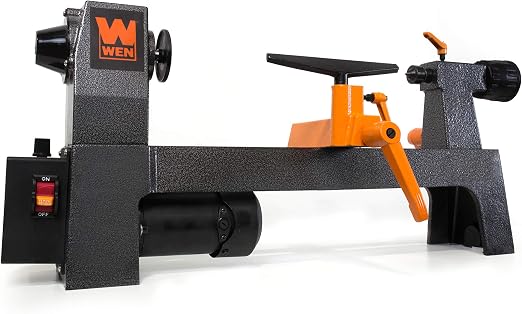
- #2WEN 3421 8x12-Inch Variable Speed Mini Benchtop Wood Lathe
- #3Rikon 70-105 10x18-Inch Mini Lathe
- #4Grizzly Industrial T25920 12x18-Inch Variable-Speed Wood Lathe
- #5PSI Woodworking KWL-1018VS Turncrafter Commander 10" Variable Speed Midi Lathe
- #6Delta Industrial 46-460 12-1/2-Inch Variable-Speed Midi Lathe
- #7Grizzly Industrial G0733 18x47-Inch Heavy-Duty Wood Lathe
- #8Easy Wood Tools 3-Piece Carbide Micro Turning Set

JET JWL-1221VS 12" x 21" Variable-Speed Wood Lathe
Jet
- ✓12-inch swing
- ✓21-inch between centers
- ✓Variable speed
- ✓Cast iron bed
Pros
- Variable speed dial removes the guesswork of belt-changing for speed range
- 12-inch swing handles bowls and platters as well as spindle work
- Cast iron bed and headstock resist vibration far better than lightweight lathes
- The most recommended beginner-to-intermediate lathe in woodturning circles
Cons
- Higher price than entry-level benchtop lathes
- Heavier, needs a dedicated stand or bench
Best overall beginner lathe. The Jet 1221VS gives a new turner room to grow from pens and spindles into bowl turning without outgrowing the machine. Variable speed and cast iron stability make it the correct first real lathe.
WEN 3421 8x12-Inch Variable Speed Mini Benchtop Wood Lathe
WEN
- ✓8-inch swing
- ✓12-inch between centers
- ✓Variable speed (750-3200 RPM)
- ✓Cast iron construction
Pros
- Very low entry price for a true variable speed lathe
- Cast iron bed at this price point is unusual and improves stability
- Enough capacity for pens and small spindle projects
Cons
- Motor is underpowered for larger bowl blanks
- Small swing and length limit projects to pens and small spindles
Best budget lathe. The WEN 3421 is the correct choice for someone testing whether they enjoy turning before investing in a larger machine. It handles pens and small spindle projects capably.

Rikon 70-105 10x18-Inch Mini Lathe
Rikon
- ✓10-inch swing
- ✓18-inch between centers
- ✓5-speed pulley
- ✓Compact cast-iron benchtop
Pros
- Compact footprint fits shops without space for a full-size lathe
- Rikon build quality is a step above other machines at this size
- Ideal scale for pen turning and small spindle projects
Cons
- Belt-change speed adjustment instead of variable speed dial
- Limited swing rules out larger bowl work
Best mini lathe. The Rikon 70-105 is purpose-built for pen turners and small spindle work, delivering solid construction in a size that fits on a bench rather than requiring floor space.

Grizzly Industrial T25920 12x18-Inch Variable-Speed Wood Lathe
Grizzly
- ✓12-inch swing
- ✓18-inch between centers
- ✓Variable speed (300-3700 RPM)
- ✓Digital RPM readout
Pros
- 12-inch swing and variable speed at a price below comparable Jet models
- Cast iron construction provides real vibration dampening
- Good balance of capacity and price for a first serious lathe
Cons
- Fit and finish slightly rougher than Jet or Powermatic
- Fewer accessories included than premium bundles
Best value lathe. Grizzly gets very close to the Jet 1221VS's capability at a noticeably lower price, correct for a beginner who wants room to grow without paying a premium brand markup.

PSI Woodworking KWL-1018VS Turncrafter Commander 10" Variable Speed Midi Lathe
PSI Woodworking
- ✓10-inch swing
- ✓Variable speed (500-3600 RPM, dual belt range)
- ✓Includes faceplate, tool rests, and work light
- ✓SBC microprocessor speed control
Pros
- Included faceplate, tool rests, and work light save a separate accessory purchase for a first-time turner
- Dual belt range variable speed motor covers pens through small bowls
- Reasonable capacity for spindle and small bowl projects
Cons
- Included accessories are entry-level quality and will need upgrading as skills improve
- Bed is lighter duty than Jet or Grizzly cast iron
Best starter kit lathe. Bundling a lathe with a faceplate, tool rests, and a work light removes the guesswork of separately sourcing first accessories, correct for someone who wants everything needed to start turning in one purchase.

Delta Industrial 46-460 12-1/2-Inch Variable-Speed Midi Lathe
Delta
- ✓12-inch swing
- ✓Variable speed
- ✓Digital speed readout
- ✓Extendable bed
Pros
- Digital speed readout takes the guesswork out of matching speed to blank size
- Extendable bed adds capacity for longer spindle work when needed
- Delta reliability with a proven track record among turners
Cons
- Extension bed sold separately for full length capacity
- Motor is adequate but not as powerful as full-size lathes
Best midi lathe. The Delta 46-460 sits between mini and full-size lathes, with a digital speed readout and expandable bed that make it a lathe a beginner will not quickly outgrow.

Grizzly Industrial G0733 18x47-Inch Heavy-Duty Wood Lathe
Grizzly
- ✓18-inch swing
- ✓47-inch between centers
- ✓2 HP motor
- ✓Variable speed (330-3200 RPM)
Pros
- Heavy cast iron bed and stand eliminate vibration even on large bowl blanks
- 2 HP motor and 18-inch swing handle large platters most beginner lathes cannot
- Far more headroom than a first-time turner will outgrow
Cons
- Very high price for a first lathe
- Far more capacity and cost than most beginners need immediately
Best splurge lathe. Not a typical beginner purchase, but included for a beginner who knows they are committing to serious bowl turning and wants to buy a lathe with room to grow into large-scale work.

Easy Wood Tools 3-Piece Carbide Micro Turning Set
Easy Wood Tools
- ✓Carbide cutters
- ✓3 tool set
- ✓Replaceable inserts
- ✓Ergonomic handles
Pros
- Carbide cutters are far more forgiving for beginners than traditional gouges requiring sharpening skill
- Replaceable carbide inserts remove the need for a grinder to maintain an edge
- Ergonomic handles reduce the learning curve for tool control
Cons
- Carbide tools cut differently than traditional gouges, a limitation once skills advance
- Replacement inserts add ongoing cost
Best beginner turning tool set. Carbide-tipped tools let a new turner focus on tool control and technique without the added challenge of hand-sharpening a gouge on day one, and they still produce good results as skills grow.
An out-of-round blank spinning too fast on a wobbly lathe is how most people's first turning session ends early. Vibration, not skill, is usually what scares beginners off the tool for good.
A stable bed and a real variable speed range solve that problem before it starts.
We compared eight beginner lathes, from a $238.48 mini benchtop model up to the JET JWL-1221VS at $989.99.
That JET lathe took best overall. Its cast iron bed resists vibration far better than lightweight alternatives, and the variable speed dial lets a new turner dial down to a safe starting speed on an unbalanced blank instead of stopping to swap belt positions on a step pulley.
What to Look for in a Beginner Lathe
Swing capacity is the maximum diameter the lathe can turn, measured as twice the distance from the bed to the spindle center. A 10 to 12 inch swing covers pens, spindles, small bowls, and most beginner projects.
Variable speed matters more for a beginner than raw power. Out-of-round blanks need to start slow, and variable speed dials let a turner dial in the right speed instantly rather than stopping to change belt positions on a step pulley.
Bed material affects vibration. Cast iron beds dampen vibration far better than stamped steel or aluminum, producing smoother cuts and a safer, more controllable experience, especially on off-balance bowl blanks.
Mini, Midi, and Full-Size Lathes
Mini lathes (8 to 10 inch swing) suit pen turning and small spindle work in a compact footprint. Midi lathes (12 inch swing) are the common beginner sweet spot, handling spindles, small bowls, and most home shop projects. Full-size lathes (16 inch swing and up) are for turners committed to large bowls and platters.
Common Beginner Mistakes
Starting speed too high on an unbalanced blank. An out-of-round bowl blank spinning too fast vibrates violently and can be thrown from the lathe. Start slow and increase speed once the blank is round.
Buying cheap tool steel and skipping sharpening. A dull turning tool tears wood instead of cutting it, and a beginner will blame the lathe when the real problem is tool sharpness. Carbide-tipped tools reduce this issue since they do not require freehand grinding.
Undersizing the lathe. A lathe with too little swing forces a turner to abandon interesting bowl projects. Buying at least a 12-inch swing avoids outgrowing the machine within the first year.
Turning Tools and Accessories
A lathe alone does not turn wood. New turners need a basic tool set (roughing gouge, spindle gouge, parting tool, and a scraper or skew at minimum), a faceplate or chuck for bowl work, and a means of sharpening. Carbide-tipped tools are a popular beginner alternative to traditional high-speed steel gouges because they do not require a grinder and jig to maintain an edge.
Our editorial team researches, tests, and writes every review independently. We never accept payment for placement.