Best Glue for Glass to Glass 2026: 10 Adhesives for Clear and Tempered Glass
Last updated: 2026-08-20 · By NicheHive Editorial
This article contains affiliate links. If you purchase through these links, we may earn a commission at no extra cost to you. As an Amazon Associate, NicheHive earns from qualifying purchases. See our full disclosure.
Glass-to-glass bonding requires UV-cure adhesives, silicone, or epoxy depending on whether optical clarity is needed. We tested 10 adhesives on borosilicate, tempered, and standard glass for bond strength, clarity, and water resistance.
Our Top Picks
- #1Loctite Glass Glue
- #2Gorilla 2-Part Epoxy
- #3E6000 Craft Adhesive
- #4BONDIC UV Resin Liquid Plastic Welder
- #5Permatex 81781 Black Silicone Sealant
- #6Devcon 2-Ton Clear Epoxy
- #7DAP 18286 Dynaflex 230 Sealant
- #8Aleene's Glass and Bead Adhesive
- #9Titebond Multi-Surface Premium Adhesive
- #10SilFlex GESF Silicone Adhesive for Glass
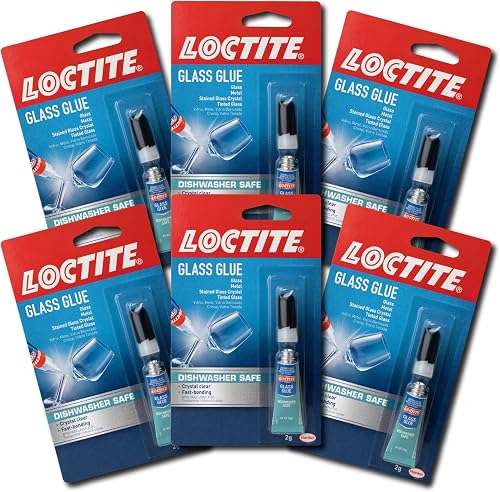
Loctite Glass Glue
Loctite
- ✓Cyanoacrylate formulated for glass
- ✓Waterproof
- ✓Dries clear
- ✓Bonds glass to glass
Pros
- Specifically formulated for glass surface adhesion - standard CA glue is not optimized for glass
- Waterproof cure - dishwasher safe for glass repairs
- Dries completely clear - invisible bond line on clear glass
- Single component - no mixing
Cons
- Lower strength than UV cure adhesives on structural applications
- Cannot bond tempered glass - tempered glass has surface tension incompatible with cyanoacrylate
Best general glass adhesive. Loctite Glass Glue for household glass repairs, decorative items, and glass-to-glass bonding where optical clarity is needed.

Gorilla 2-Part Epoxy
Gorilla
- ✓2-part epoxy
- ✓1-minute mixing
- ✓High strength
- ✓Gap filling
Pros
- Epoxy creates highest shear strength of any glass adhesive - best for load-bearing glass joints
- Fills gaps up to 3mm - appropriate for glass with uneven break edges
- Works on glass, metal, plastic, wood - multi-surface capability
Cons
- Cures slightly amber - not truly clear, visible on transparent glass
- Requires mixing
- Working time is short (5 minutes)
Best high-strength glass adhesive. For structural glass repairs and glass-to-metal bonding where joint strength matters more than optical clarity.

E6000 Craft Adhesive
E6000
- ✓Flexible when cured
- ✓Waterproof
- ✓Bonds glass, metal, fabric
- ✓Vibration resistant
Pros
- Remains flexible - handles thermal expansion differential between glass and non-glass substrates
- Waterproof - holds in outdoor applications
- Very high rating count indicates broad real-world success
Cons
- Flexible cure means lower shear strength than rigid adhesives
- Strong solvent odor
- 72-hour full cure
Best flexible glass adhesive. For glass embedded in frames or substrates where thermal expansion would crack a rigid bond.

BONDIC UV Resin Liquid Plastic Welder
BONDIC
- ✓UV cure - hardens in 4 seconds under UV light
- ✓No cure until UV exposure
- ✓Crystal clear cure
- ✓Included UV light pen
Pros
- Cures crystal clear - the most optically transparent result of any glass adhesive tested
- No working time pressure - cures only when UV light is applied
- 4-second cure under UV light - fastest cure of any tested adhesive
- Included UV pen means no additional tool purchase
Cons
- Does not bond opaque glass or glass with UV-blocking coating
- Requires UV light application - additional step vs contact adhesives
Best UV cure glass adhesive. Crystal clear cure with no working time pressure. Required for optical glass, lenses, and applications where absolute clarity is essential.

Permatex 81781 Black Silicone Sealant
Permatex
- ✓RTV silicone
- ✓Aquarium safe formulations available
- ✓Waterproof
- ✓Flexible
Pros
- RTV silicone is the standard material for aquarium seams - used by all aquarium manufacturers
- Flexible cure prevents joint failure from water pressure changes
- Waterproof permanently - the only correct choice for water-containing glass structures
Cons
- Not clear - black or white only
- Requires 24-48 hour cure before water contact
Required for aquarium and water-containment glass bonding. RTV silicone is the standard - no other adhesive is appropriate for glass seams holding water.

Devcon 2-Ton Clear Epoxy
Devcon
- ✓Clear epoxy
- ✓2-hour working time
- ✓High strength
Pros
- 2-hour working time - allows complex glass assemblies with time to position
- Clearer cure than Gorilla epoxy - better optical result on transparent glass
- High strength - 3,500 PSI tensile strength
Cons
- 2-hour working time requires patience before handling
- Requires mixing
Best clear epoxy for glass. Clearer cure than standard 5-minute epoxies with more working time for complex assemblies.

DAP 18286 Dynaflex 230 Sealant
DAP
- ✓Paintable
- ✓Weather resistant
- ✓Adheres to glass and window frames
Pros
- Paintable formula for window glazing
- Bonds glass to wood, aluminum, and vinyl window frames
- Weather resistant for exterior window sealing
Cons
- Not a structural adhesive - sealant only
- Not suitable for glass-to-glass repair
Best glass window sealant. For sealing glass in window frames - not a bonding adhesive but appropriate for window installation and glazing.
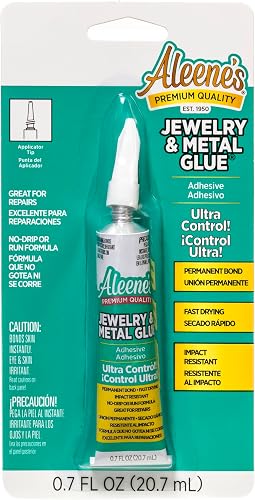
Aleene's Glass and Bead Adhesive
Aleene's
- ✓Non-toxic
- ✓Water cleanup
- ✓Dries clear
- ✓Craft glass applications
Pros
- Non-toxic water cleanup - safe for craft and hobby use
- Dries clear on glass and glass beads
- At $5, lowest cost clear glass adhesive tested
Cons
- Not waterproof - not appropriate for outdoor or wet applications
- Lower strength than structural adhesives
Best glass craft adhesive. For stained glass work, glass bead art, and decorative glass projects. Not suitable for structural or outdoor applications.

Titebond Multi-Surface Premium Adhesive
Titebond
- ✓Bonds glass, wood, metal, ceramic
- ✓Waterproof
- ✓Flexible
Pros
- One adhesive for glass-to-wood, glass-to-metal, and glass-to-glass joints
- Titebond is a trusted woodworking brand - reliable quality
- Waterproof after cure
Cons
- Jack-of-all-trades - specific adhesives outperform it in individual applications
Best multi-surface glass adhesive. For projects combining glass with wood and metal where stocking multiple adhesives is inconvenient.

SilFlex GESF Silicone Adhesive for Glass
SilFlex
- ✓Glass-specific silicone
- ✓UV stable
- ✓Temperature resistant
Pros
- UV stable - will not yellow when exposed to sunlight - important for windows
- Temperature resistant for glass near heat sources
- Formulated specifically for glass surfaces
Cons
- Specialty product at higher price point
Best UV-stable glass silicone. For windows and glass panels exposed to sunlight where standard silicone would yellow over time.
Most glass repair attempts fail before the glue even sets. Standard super glue slides right off a smooth, non-porous glass surface, because it needs pores to grip and glass has none.
Glass-specific adhesives fix that problem with chemistry, not mechanics.
Which one you need depends entirely on the job: a cracked vase, a load-bearing joint, an aquarium seam, and a window frame all call for different formulas.
For most household repairs, Loctite Glass Glue is the pick. It's a $7.99 cyanoacrylate engineered specifically for glass, it dries completely clear, and it's waterproof enough to survive the dishwasher.
Why Glass Is Difficult to Bond
Glass is non-porous and has low surface energy — two properties that make adhesion difficult.
Porosity: most adhesives achieve mechanical adhesion by penetrating into micro-pores in the substrate surface. Wood, stone, ceramic, and paper have these micro-pores. Glass does not. Adhesive applied to glass stays on the surface without penetrating, relying entirely on chemical adhesion.
Surface energy: materials with high surface energy form strong bonds with most adhesives. Low surface energy materials (glass, PTFE, polyethylene) are harder to wet with liquid adhesives, resulting in poor contact and weak bonds. Glass has moderate-to-low surface energy, worse than metal but better than plastics.
The result: standard all-purpose super glue holds glass together for a few days, then fails under any stress because it never formed a strong chemical bond. Glass-specific adhesives include primers or surface chemistry that increases the glass surface energy temporarily, allowing the adhesive to form a proper chemical bond.
Adhesive Selection by Application
General glass repairs (vase, ornament, glass frame): Loctite Glass Glue — cyanoacrylate with glass-specific formulation, dries clear, waterproof, sets in seconds.
Structural glass joints (load-bearing): Gorilla 2-Part Epoxy or Devcon 2-Ton Clear Epoxy — epoxy creates shear strength that cyanoacrylate cannot match. Note that most epoxies cure slightly amber rather than crystal clear.
Optical clarity required (lens, display glass, magnifiers): BONDIC UV Resin — crystal-clear cure, positions freely before UV cure, 4-second cure under UV light.
Aquarium and water-containing structures: RTV silicone (Permatex 81781) — the only appropriate material for glass seams under water pressure. All other adhesive types will fail in sustained water contact.
Glass to window frames (wood, aluminum, vinyl): DAP Dynaflex 230 — a sealant (not a structural adhesive), designed specifically for glass-to-frame sealing with paintable finish.
Flexible glass bonds (glass in metal frames, expansion/contraction cycling): E6000 — remains flexible after cure, handles thermal expansion differential that would crack a rigid adhesive.
Surface Preparation: The Step That Determines Success
Glass bond failures are caused by inadequate surface preparation in the majority of cases — not adhesive failure.
Before bonding any glass surface:
- Clean with 90%+ isopropyl alcohol on a lint-free cloth
- Allow to dry completely (30-60 seconds)
- Do not touch the bond area after cleaning — skin oils immediately contaminate the surface
- If the glass is old and has mineral deposits or cleaning residue: use a 10% white vinegar solution first, then isopropyl alcohol second
For UV cure adhesives: clean thoroughly before applying the resin, as the UV cure locks the adhesive in place instantly — contamination cannot be corrected after cure.
What NOT to Use on Glass
Standard WD-40 or household lubricants: will prevent any adhesive from bonding — never apply before or after adhesive work.
Gorilla Glue (polyurethane): expands as it cures, which can crack glass if the joint is tight. Does not bond glass surfaces well.
Hot glue: too rigid when cool, brittle on glass, and poor chemical adhesion to glass surfaces.
Epoxy for aquarium use: no standard epoxy is waterproof enough for sustained water immersion in aquarium applications. RTV silicone is the only appropriate choice for aquariums.
Related Guides
- Best Super Glue — cyanoacrylate comparison for quick repairs
- Best Glue for Plastic on Plastic — rigid plastic bonding
- Best Glue for Metals — metal bonding options including glass-to-metal
Our editorial team researches, tests, and writes every review independently. We never accept payment for placement.