Best Adhesive for Rubber to Rubber 2026: 10 Bonding Compounds Tested
Last updated: 2026-08-20 · By NicheHive Editorial
This article contains affiliate links. If you purchase through these links, we may earn a commission at no extra cost to you. As an Amazon Associate, NicheHive earns from qualifying purchases. See our full disclosure.
Rubber-to-rubber bonding requires flexible adhesives that maintain grip through expansion and compression. We tested contact cements, cyanoacrylates, and epoxies on EPDM, neoprene, natural rubber, and silicone - with cure time, flexibility, and water resistance results.
Our Top Picks
- #1Barge All-Purpose TF Cement
- #23M Scotch-Weld Neoprene Contact Cement
- #3Loctite 2-Part Epoxy Plastic Bonder
- #4DAP Weldwood Contact Cement
- #5Gorilla Super Glue Gel
- #6Shoe Goo Adhesive and Sealant
- #7Amazing Goop Contact Adhesive Sealant
- #8Permatex 81781 Black Silicone Adhesive Sealant
- #9Loctite Vinyl Fabric and Plastic Repair
- #10EcoWeld EPDM Rubber Bonding Adhesive
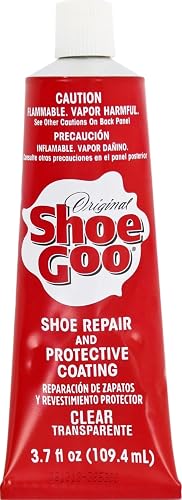
Barge All-Purpose TF Cement
Barge
- ✓Contact cement - apply to both surfaces
- ✓Works on rubber, leather, vinyl, metal
- ✓Flexible when cured
- ✓Waterproof bond
Pros
- Contact cement creates an instant bond when two coated surfaces meet - no clamp time required
- Remains flexible after cure - handles rubber compression and expansion without cracking
- Waterproof - used in shoe repair, wetsuit patching, and marine applications
- Bonds natural rubber, EPDM, neoprene, and most synthetic rubbers
Cons
- Strong solvent fumes - use in ventilated area
- Contact bond is permanent - repositioning after surfaces meet is not possible
Best rubber contact cement. Industry standard for shoe repair, gasket bonding, and rubber panel adhesion. Flexible, waterproof, and works on virtually all rubber types.

3M Scotch-Weld Neoprene Contact Cement
3M
- ✓Neoprene contact cement
- ✓High temperature resistance
- ✓Industrial grade
Pros
- 3M industrial formulation designed specifically for neoprene rubber
- Higher temperature resistance than standard contact cements - holds in heat up to 150F continuously
- Used for gasket bonding in industrial equipment where temperature cycling occurs
Cons
- Higher cost than Barge
- Available mainly online vs hardware stores
Best for neoprene and industrial gasket work. 3M industrial quality with higher temperature resistance than standard contact cements.

Loctite 2-Part Epoxy Plastic Bonder
Loctite
- ✓2-part epoxy
- ✓Bonds rubber to metal and plastic
- ✓Rigid cure
Pros
- Epoxy chemistry creates the strongest possible bond for rubber-to-metal applications
- 25-minute working time allows positioning before cure sets
- Bonds rubber, plastic, metal, and ceramic in one product
Cons
- Cures rigid - not appropriate for rubber joints that flex in use
- Requires mixing
Best for rubber-to-metal bonding. Epoxy strength for high-load joints where rigidity is acceptable. Not suitable for flexing rubber-to-rubber joints.

DAP Weldwood Contact Cement
DAP
- ✓Contact cement
- ✓Available in 1 quart
- ✓Hardware store accessible
Pros
- At $10, least expensive contact cement tested for rubber bonding
- Available in hardware stores vs Barge which ships from specialty suppliers
- Weldwood has been the standard for hobbyist rubber bonding for decades
Cons
- Lower bond strength than Barge at high stress points
- Strong solvent odor
Best budget rubber adhesive. DAP Weldwood is hardware-store accessible and substantially less expensive than professional contact cements for light bonding tasks.

Gorilla Super Glue Gel
Gorilla
- ✓Cyanoacrylate gel
- ✓Works on porous surfaces
- ✓45-second cure
Pros
- Cyanoacrylate bonds natural rubber quickly - 45 seconds for handling strength
- Gel formula fills small gaps in rough rubber surfaces
- Convenient single-component - no mixing required
Cons
- Cyanoacrylate becomes brittle - not suitable for rubber joints under flexing load
- Does not adhere to silicone rubber
- Small bottles dry out quickly if opened repeatedly
Best quick-fix rubber adhesive. Cyanoacrylate gel for fast repairs where long-term flex is not required. Do not use where the joint will compress or flex repeatedly.
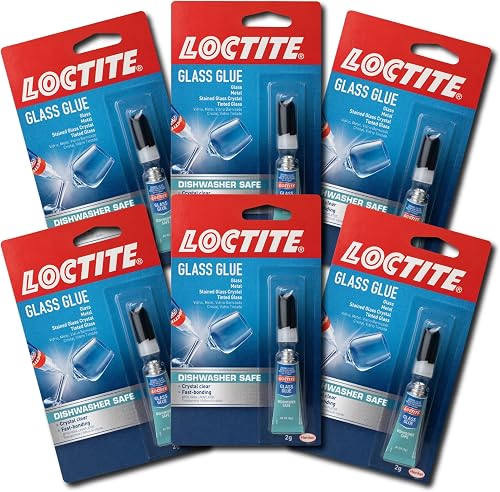
Shoe Goo Adhesive and Sealant
Shoe Goo
- ✓Urethane-based adhesive
- ✓Waterproof
- ✓Flexible cure
- ✓Bonds rubber soles
Pros
- Urethane base remains flexible after cure - correct chemistry for sole-to-upper rubber bonding
- Water resistant - survives rain, puddles, and washing
- Also functions as a sealant for cracked rubber soles
- Dries clear
Cons
- 72-hour full cure time - longer than contact cements
- Requires clamping or tape during cure
Best for shoe and footwear rubber repair. Flexible urethane chemistry survives the flexing cycle of footwear. Waterproof and clear-drying.

Amazing Goop Contact Adhesive Sealant
Amazing Goop
- ✓Flexible when cured
- ✓Waterproof
- ✓Bonds rubber, vinyl, leather
Pros
- Remains highly flexible - suitable for rubber gaskets and weather-stripping
- Waterproof seal - used for marine and automotive rubber bonding
- Bonds rubber, vinyl, leather, and canvas
Cons
- Lower initial tack than contact cements
- Strong odor
Best flexible rubber sealant-adhesive. For weather-stripping, gaskets, and rubber seals that need both adhesion and flexibility.

Permatex 81781 Black Silicone Adhesive Sealant
Permatex
- ✓RTV silicone
- ✓Bonds silicone rubber
- ✓Temperature resistant -65F to 400F
- ✓Waterproof
Pros
- RTV silicone is the only adhesive type that bonds silicone rubber reliably
- Temperature range -65F to 400F - suitable for automotive and industrial silicone seals
- Permatex is the OEM standard for automotive gaskets and seals
Cons
- Does not bond EPDM, neoprene, or natural rubber as well as contact cements
- Acetic acid cure - slight vinegar odor during curing
Required for silicone rubber bonding. Standard contact cements do not adhere to silicone - RTV silicone adhesive is the correct product for silicone-to-silicone bonding.

Loctite Vinyl Fabric and Plastic Repair
Loctite
- ✓Flexible
- ✓Works on vinyl and soft rubber
- ✓Dries clear
Pros
- Flexible after cure - appropriate for soft rubber and vinyl surfaces
- Dries clear - invisible on light-colored rubber
- At $6, entry-level price for flexible rubber adhesive
Cons
- Lower bond strength than Barge or Shoe Goo
- Not suitable for high-stress joints
Best entry-level rubber adhesive. For light rubber repairs where cost is the priority and bond stress is minimal.
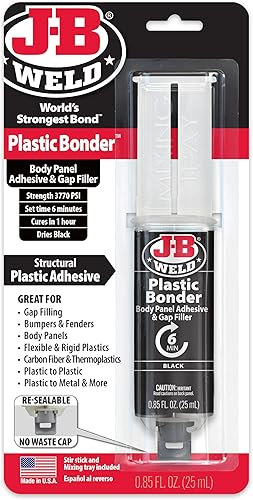
EcoWeld EPDM Rubber Bonding Adhesive
EcoWeld
- ✓Formulated for EPDM roofing rubber
- ✓UV resistant
- ✓Weatherproof
Pros
- EPDM-specific formula - designed for bonding rubber roofing membrane seams and patches
- UV and weather resistant - outdoor applications where standard contact cements fail
- Correct choice for pond liner and roofing EPDM repair
Cons
- Specialized product - not needed for non-EPDM rubber applications
- Higher cost than general contact cements
Best EPDM rubber adhesive. For roofing membrane, pond liner, and outdoor EPDM applications where UV and weather resistance are required.
Grab whatever glue is in the drawer and a rubber-to-rubber repair looks fixed for about a week. Then the sole flexes, the seam moves, and the bond lets go.
That's because rubber keeps moving after it's bonded. Most household adhesives cure rigid and cannot survive the compression and stretch that rubber goes through every day.
What actually holds a rubber joint together long term? An adhesive that flexes right along with it.
Barge All-Purpose TF Cement is the pick worth reaching for first. It's a contact cement, so it bonds the instant two coated surfaces touch, stays flexible through years of flexing, and is the same formula shoe repair shops have relied on for decades.
Rubber Types and Compatible Adhesives
Natural rubber: responds well to contact cement (Barge, DAP Weldwood) and cyanoacrylate. Most shoe soles, rubber bands, and latex are natural rubber.
Neoprene: use neoprene contact cement (3M Scotch-Weld). General contact cements work but neoprene-specific formulas produce higher bond strength.
EPDM: used in automotive door seals, roofing membranes, and pond liners. Standard contact cements partially adhere. EPDM-specific adhesives (EcoWeld) produce full-strength bonds. For automotive EPDM seals: use Permatex RTV silicone or 3M weatherstrip adhesive.
Silicone rubber: the most difficult rubber to bond. Only RTV silicone adhesive (Permatex 81781) creates reliable adhesion. Contact cements, cyanoacrylates, and epoxies do not adhere to cured silicone rubber.
Nitrile (NBR): used in automotive fuel system hoses and oil-resistant seals. Contact cement adheres. Avoid cyanoacrylate for fuel-contact applications.
Applying Contact Cement Correctly
Contact cement requires application to both surfaces - it bonds when two coated surfaces are pressed together:
- Clean both surfaces - remove all oil, dust, and old adhesive
- Apply a thin even coat to both surfaces
- Allow to become tacky but not wet - typically 15-30 minutes depending on temperature and humidity
- Align surfaces carefully before pressing - repositioning after contact is not possible
- Press firmly across the entire bond area
- Apply weight or clamp for 30 minutes minimum
The critical step: allow the cement to become tacky before joining. Wet cement to wet cement produces a weak bond. Tacky cement to tacky cement produces a strong contact bond.
Related Guides
- Best Glue for Plastic on Plastic - rigid plastic bonding guide
- Best Waterproof Adhesive for Plastic - waterproof outdoor bonding
- Best Super Glue - cyanoacrylate comparison
Our editorial team researches, tests, and writes every review independently. We never accept payment for placement.