Best Chef Knives in 2026: 12 Picks That Actually Hold an Edge
Last updated: 2026-09-03 · By NicheHive Editorial
This article contains affiliate links. If you purchase through these links, we may earn a commission at no extra cost to you. As an Amazon Associate, NicheHive earns from qualifying purchases. See our full disclosure.
12 best chef knives tested on edge retention, balance, and comfort across German, Japanese, and hybrid styles, covering 8-inch and 10-inch blades from Wusthof, Shun, Victorinox, Mac, Global, Tojiro, Zwilling, and Messermeister.
Our Top Picks
- #1Wusthof Classic 8-Inch Chef Knife
- #2Shun Classic 8-Inch Chef Knife
- #3Victorinox Fibrox Pro 8-Inch Chef Knife
- #4Mac Knife MTH-80 Professional Series 8-Inch Chef Knife
- #5Tojiro DP Series 8.2-Inch Gyutou Chef Knife
- #6Global G-2 8-Inch Chef Knife
- #7Zwilling Pro 8-Inch Chef Knife
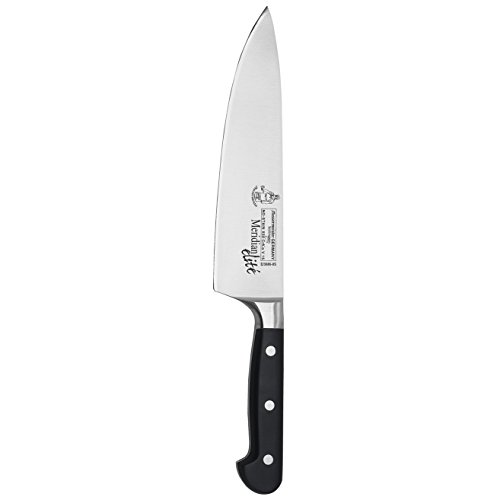
- #8Messermeister Meridian Elite 8-Inch Chef Knife
- #9Wusthof Classic Ikon 8-Inch Chef Knife
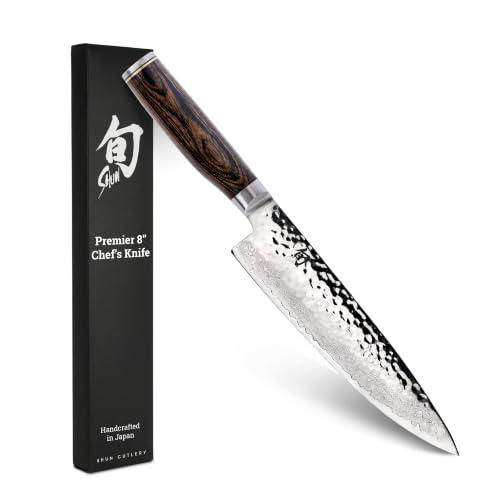
- #10Shun Premier 8-Inch Chef Knife
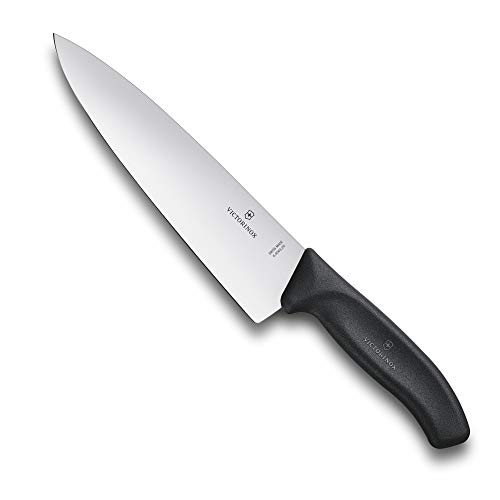
- #11Victorinox Swiss Modern 8-Inch Chef Knife
- #12Wusthof Classic 10-Inch Chef Knife

Wusthof Classic 8-Inch Chef Knife
Wusthof
- ✓Forged single-piece high-carbon stainless steel at 58 HRC
- ✓Precision Edge Technology grind at 14 degrees per side
- ✓Full tang secured with three rivets
- ✓Contoured polyoxymethylene handle
- ✓Traditional German belly profile for rock-chopping
- ✓8.5-ounce weight balanced at the bolster
Pros
- Holds a working edge for 4 to 6 weeks of daily home cooking before needing more than a honing steel
- Balance point sits exactly at the bolster where a pinch grip lands, so the knife feels neutral rather than blade-heavy
- Handle stays grippy when wet thanks to the polyoxymethylene material
- 18,000 ratings at 4.8 stars shows quality control has not drifted across a decade of production
- 58 HRC steel resists chipping against bone and hard squash better than harder Japanese steels
Cons
- 58 HRC steel is harder to sharpen on a whetstone than softer budget steels once honing stops restoring bite
- Pronounced belly forces a rocking motion, which push-cutters may find limiting
- At 150 dollars it costs 4 times more than the Victorinox for a smaller performance gap than the price suggests
- Full bolster makes sharpening the heel of the blade awkward over years of use

Shun Classic 8-Inch Chef Knife
Shun
- ✓VG-Max steel core clad in 34 layers of stainless Damascus
- ✓60 to 61 HRC hardness
- ✓16-degree inclusive edge grind
- ✓D-shaped pakkawood handle (left-handed version available)
- ✓7.7-ounce weight, balance forward of the bolster
- ✓Free lifetime sharpening by mail from Shun
Pros
- 16-degree inclusive edge is noticeably sharper out of the box than any 28-degree German grind
- Thin grind splits dense carrots and squash with less resistance and less onion-cell crushing
- Free lifetime sharpening by mail removes the barrier of learning whetstone technique
- Edge retention outlasts every German knife on this list, running 4 to 6 weeks between sharpenings
- 5,200 ratings at 4.7 stars with most negative reviews tracing to misuse, not manufacturing defects
Cons
- Harder 60 to 61 HRC steel chips if twisted laterally against bone or frozen food
- Must be maintained on a whetstone; a grooved honing steel will chip the thin edge
- D-shaped handle is polarizing for left-handed cooks unless they buy the left-handed version
- Not suited to aggressive rock-chopping on a glass cutting board

Victorinox Fibrox Pro 8-Inch Chef Knife
Victorinox
- ✓Stamped X55CrMo14 stainless steel at approximately 56 HRC
- ✓15-degree edge per side, factory-sharpened
- ✓Thermoplastic elastomer Fibrox handle, slip-resistant when wet
- ✓No bolster, allowing full-length edge sharpening
- ✓Commercial dishwasher rated construction
- ✓Gently curved belly for both rocking and push-cutting
Pros
- Delivers cutting performance closer to a 150-dollar knife than the roughly 35-dollar price suggests
- 42,000 ratings at 4.7 stars makes it the most battle-tested chef knife in existence with an effectively zero failure rate
- Softer 56 HRC steel sharpens in half the time of harder steels, even with a basic pull-through sharpener
- No bolster means the entire edge, including the heel, can be sharpened without obstruction
- Slip-resistant handle stays secure through a 30-minute prep session even when wet
Cons
- Dulls to the tomato-crushing stage in 2 to 3 weeks of daily cooking, faster than any forged knife on this list
- Stamped rather than forged construction feels lighter and less substantial in hand than the Wusthof or Zwilling
- Handle design is utilitarian and dated compared to the Victorinox Swiss Modern's updated grip
- Requires more frequent sharpening than harder steels, which is a real time cost for cooks who dislike sharpening

Mac Knife MTH-80 Professional Series 8-Inch Chef Knife
Mac
- ✓Proprietary high-carbon alloy steel at 59 to 61 HRC
- ✓15-degree edge, splitting German and Japanese grind angles
- ✓Dimpled blade face to reduce food suction
- ✓Pakkawood and stainless steel handle
- ✓6.8-ounce weight, one of the lightest on the list
- ✓Secondary bevel that resists chipping better than pure Japanese grinds
Pros
- Cuts nearly as cleanly as the Shun through vegetables while handling bone-adjacent tasks better than any pure Japanese knife
- Dimpled blade face measurably reduces suction on potatoes and other dense produce during repetitive slicing
- Sharpens more easily than either pure German or pure Japanese steel despite the 59 to 61 HRC hardness
- Most frequently recommended knife among professional cooks who have used everything and want low maintenance overhead
- 6.8-ounce weight and forward-of-heel balance suit both pinch grip and handle grip styles
Cons
- Thinner distribution than Wusthof or Shun makes finding one to hold before buying harder
- 3,100 ratings is the smallest sample size among the top picks on this list
- Pakkawood handle offers less tactile grip when wet than the Victorinox's textured elastomer
- Proprietary steel alloy means replacement parts and warranty service are less standardized than major brands

Tojiro DP Series 8.2-Inch Gyutou Chef Knife
Tojiro
- ✓VG-10 stainless steel core at 60 HRC, laminated with softer cladding
- ✓16-degree inclusive edge grind
- ✓True gyutou profile with a flatter belly
- ✓Laminated wood handle with bolster
- ✓Under 50 dollars for genuine Japanese laminated steel
- ✓Slightly blade-forward balance typical of gyutou knives
Pros
- Arrives factory-sharper than most knives twice its price thanks to the 16-degree VG-10 edge
- Holds an edge for 4 to 6 weeks of daily home cooking, matching the Shun despite costing a fraction as much
- Cheapest entry point into genuine Japanese laminated steel construction on this list
- Flatter gyutou profile rewards push-cutting and tap-chopping with cleaner cuts and less effort
- VG-10 cladding provides real corrosion resistance for a budget-tier knife
Cons
- Basic laminated wood handle is functional but unrefined next to the Shun's pakkawood or Mac's contoured grip
- Same chipping caveats as any 60 HRC Japanese steel: no bone, no frozen food, no glass boards
- Cooks coming from a German rocker knife need real technique adjustment for the flatter belly
- 4.5-star rating is the lowest among the Japanese options here, with some complaints tied to handle quality

Global G-2 8-Inch Chef Knife
Global
- ✓One-piece CROMOVA 18 stainless steel construction
- ✓56 to 58 HRC hardness with a convex edge at 15 degrees per side
- ✓Sand-filled hollow handle for balance
- ✓Dimpled stainless grip surface
- ✓6.3-ounce weight, among the lightest on this list
- ✓Seamless design with no crevices for food buildup
Pros
- Convex grind noticeably reduces food adhesion during high-volume prep compared to flat-ground blades
- Seamless one-piece construction makes cleanup effortless with no crevices where food can lodge
- 6.3-ounce weight and handle-centered balance give it a uniquely agile, nimble feel for pinch-grip users
- Edge retention lands between the Victorinox and the Shun, a genuine middle ground
- Dimpled stainless surface stays grippy even when wet, despite the metal handle
Cons
- Thin cylindrical handle fatigues hands that wrap fully around the grip after about 20 minutes
- Distinctive all-metal design is polarizing and either sells the knife or kills it for a given buyer
- Not as long-lasting on the edge as the Shun or Tojiro despite a similar sticker price
- Sand-filled handle construction cannot be re-balanced or serviced if it ever fails

Zwilling Pro 8-Inch Chef Knife
Zwilling
- ✓Sigmaforge single-piece special formula steel at 57 HRC
- ✓15-degree edge per side
- ✓Rounded bolster for full-heel sharpening access
- ✓Curved ergonomic Comfort Grip handle
- ✓Straighter blade profile than the Wusthof Classic
- ✓Balance point at the bolster
Pros
- Straighter edge profile keeps more blade on the board during push-cuts and tap-chops than the Wusthof's rocker belly
- Rounded bolster eliminates the common full-bolster German knife problem of an unreachable heel
- Comfort Grip handle is genuinely more comfortable than the straight-handled Classic during sessions over 20 minutes
- Edge retention comparable to the Wusthof Classic at 4 to 6 weeks between sharpenings
- 5,800 ratings at 4.7 stars confirms consistent build quality across a large sample
Cons
- Flatter profile is less efficient for cooks who prefer aggressive rock-chopping of herbs and garlic
- Costs about the same as the Wusthof Classic without the decades of brand recognition
- 57 HRC steel still requires the same whetstone commitment as other German knives once honing stops working
- Comfort Grip handle shape is less traditional and may feel unfamiliar to cooks used to a straight German handle
Messermeister Meridian Elite 8-Inch Chef Knife
Messermeister
- ✓German alloy steel at 57 to 58 HRC, hand-forged
- ✓Full tang with three rivets
- ✓15-degree edge per side
- ✓Thinner blade stock behind the edge than the Wusthof Classic
- ✓European-shaped POM handle with tapered bolster
- ✓Gentle belly for both rocking and push-cutting
Pros
- Thinner grind behind the edge reduces wedging in dense root vegetables compared to the Wusthof Classic
- Tapered bolster allows full-edge sharpening without the heel obstruction common on fully bolstered German knives
- Competes directly with knives 30 to 50 dollars more expensive despite Messermeister's smaller market presence
- Edge retention and sharpening behavior are in the same class as the Wusthof Classic
- Neutral balance at the pinch grip suits both rocking and push-cut techniques
Cons
- Limited retail distribution makes it hard to handle before buying
- 1,200 ratings is the smallest sample size of any product on this list, giving less long-term reliability signal
- Lower brand recognition than Wusthof or Zwilling can make resale or replacement parts harder to find
- 57 to 58 HRC steel still needs the same periodic whetstone maintenance as any German knife

Wusthof Classic Ikon 8-Inch Chef Knife
Wusthof
- ✓Same high-carbon stainless steel as the Classic at 58 HRC
- ✓Precision Edge Technology grind at 14 degrees per side
- ✓Contoured African blackwood handle
- ✓Half-bolster design exposing the full heel for sharpening
- ✓Full tang construction
- ✓8.5-ounce weight with neutral balance
Pros
- Half-bolster exposes the heel so a whetstone can maintain the entire edge uniformly, unlike the full-bolster Classic
- African blackwood handle is more ergonomic than the Classic's straight polyoxymethylene grip
- Same 58 HRC steel and edge geometry as the Classic, so cutting performance is proven and identical
- 4.8 stars across 3,400 ratings matches the Classic's reliability despite the handle redesign
- Prevents the heel from becoming a permanent bump over years of sharpening, a real long-term maintenance advantage
Cons
- Costs roughly 30 dollars more than the standard Classic for the same underlying blade steel
- Blackwood handle requires slightly more care than synthetic handles to avoid drying out over years
- Offers no edge retention or cutting performance improvement over the cheaper Classic, only ergonomics
- Smaller rating pool than the original Classic makes very long-term durability data thinner
Shun Premier 8-Inch Chef Knife
Shun
- ✓VG-Max steel at 60 to 61 HRC, same as the Shun Classic
- ✓Hand-hammered tsuchime finish for food release
- ✓Walnut-colored pakkawood handle, ambidextrous contour
- ✓16-degree inclusive edge grind
- ✓Identical maintenance requirements to the Shun Classic
- ✓7.7-ounce weight with forward balance
Pros
- Tsuchime dimples create air pockets that release potato and vegetable slices instead of letting them stick and ride up the blade
- Ambidextrous handle contour fixes the Classic's left-handed asymmetry issue
- Same VG-Max steel and edge retention as the Shun Classic, so cutting performance is proven
- Well suited to high-volume vegetable prep where food release matters more than on the standard Classic
- Shun's free lifetime sharpening by mail applies to this model as well
Cons
- Costs more than the standard Shun Classic for a finish that only matters during high-volume slicing
- Hammered texture is harder to clean thoroughly than the Classic's smooth face
- Same 60 to 61 HRC chipping risk against bone or frozen food as every VG-Max Shun
- Smaller rating base than the Classic makes it a less proven long-term choice
Victorinox Swiss Modern 8-Inch Chef Knife
Victorinox
- ✓Same X55CrMo14 steel as the Fibrox Pro at 56 HRC
- ✓Redesigned contemporary synthetic handle
- ✓Marginally straighter blade profile than the Fibrox
- ✓15-degree edge per side
- ✓No bolster for full-length sharpening access
- ✓Slip-resistant grip material
Pros
- More contoured, contemporary handle sits more comfortably in a pinch grip than the Fibrox Pro's rounded profile
- Identical steel and edge retention to the proven Fibrox Pro, so cutting performance carries over directly
- Slightly straighter profile nudges the blade toward push-cutting for cooks who prefer that motion
- No bolster allows sharpening the full edge including the heel, same as the Fibrox
- Retains the Fibrox's fast, easy sharpening on a basic pull-through sharpener or whetstone
Cons
- Costs more than the Fibrox Pro for what is largely a handle redesign rather than a performance upgrade
- Same 2 to 3 week edge retention limitation as the Fibrox at 56 HRC
- The straighter profile difference is subtle enough that most cooks will not notice it in daily use
- Smaller rating pool than the Fibrox Pro offers less long-term validation

Wusthof Classic 10-Inch Chef Knife
Wusthof
- ✓Same forged high-carbon stainless steel as the 8-inch Classic at 58 HRC
- ✓14-degree edge per side
- ✓10-inch blade length for added leverage and board contact
- ✓Full tang with three rivets
- ✓10.1-ounce weight
- ✓Contoured polyoxymethylene handle
Pros
- Extra 2 inches of blade adds real leverage for large squash, watermelon, and long slicing cuts
- More blade touches the board per stroke, making the rocking motion for herbs more efficient
- Same proven 58 HRC steel and edge geometry as the 8-inch Classic
- Ideal second knife for cooks who already own an 8-inch and need length for specific tasks
- 4.8 stars across 4,200 ratings shows the same build consistency as the smaller Classic
Cons
- 10.1-ounce weight is noticeably heavier and can fatigue the wrist during long sessions
- Demands more counter clearance and a larger cutting board than an 8-inch blade
- Feels unwieldy rather than powerful for cooks with smaller hands or limited prep space
- Not recommended as a first chef knife; best purchased after an 8-inch is already in rotation
A good chef knife can turn a chore into something close to enjoyable. A bad one, the kind that came free in a wedding-registry block set, makes even a simple onion feel like work.
We tested 12 chef knives across every reasonable budget to find the ones actually worth owning.
German-style forged blades suit cooks who rock-chop. Japanese-style thinner grinds suit cooks who push-cut. The Mac MTH-80 splits the difference for anyone who wants both in one handle.
For most people, the Victorinox Fibrox Pro is still the answer. It has been the best value in chef knives for over a decade, and nothing at 35 dollars comes close to matching it.
How We Chose These Knives
The chef knife market is saturated with options between 20 and 300 dollars, and marketing language is nearly identical across all of them. Three decisions simplify the field before you ever hold a blade.
Steel hardness determines the tradeoff. German knives run 56 to 58 HRC, take a wider edge angle, resist chipping, and sharpen easily on a honing steel. Japanese knives run 60 to 67 HRC, take a narrower angle, hold that angle longer, but chip if used on bone or hard squash and need a whetstone. This is not better or worse; it is a materials tradeoff with real consequences for how you maintain the knife.
Balance matters more than weight. A 9-ounce knife that balances at the bolster feels lighter in use than a 7-ounce knife that is blade-heavy. Every knife below was checked for balance at the pinch grip, which is how trained cooks hold a chef knife, not by the handle like a hammer.
Edge retention is the hidden cost. A knife that dulls in two weeks costs you either constant sharpening time or the slow frustration of a blade that crushes tomatoes instead of slicing them. The price difference between a 35-dollar and a 150-dollar knife is largely a question of how many weeks the edge lasts between sharpenings.
The 12 Best Chef Knives
1. Wusthof Classic 8-Inch Chef Knife
The Wusthof Classic has been the default recommendation for home cooks who want a German-forged knife that does everything competently and nothing badly. The blade is forged from a single piece of Wusthof's proprietary high-carbon stainless steel at 58 HRC, with a Precision Edge Technology grind at 14 degrees per side that comes sharp out of the box and maintains that edge through weeks of daily use.
The balance point sits right at the bolster, which is exactly where a pinch grip lands, so the knife feels neutral rather than blade-heavy or handle-heavy. At 8.5 ounces it has enough heft to rock through root vegetables without feeling tiring during a long prep session. The full tang runs the length of the handle and is secured by three rivets, and the handle itself is a contoured polyoxymethylene that resists moisture and stays grippy when wet.
Edge retention on the Wusthof Classic is where the 150-dollar price earns its keep over the 35-dollar Victorinox. The 58 HRC steel holds a working edge for four to six weeks of daily home cooking before needing more than a honing steel, compared to two to three weeks on softer budget steels. The tradeoff is that 58 HRC is harder to sharpen than softer steel when it finally does need a whetstone, though a ceramic honing rod handles the in-between maintenance easily.
The Classic profile is a traditional German belly, which means a pronounced curve along the cutting edge that rewards a rocking motion for mincing herbs and garlic. Push-cutters who prefer a flatter profile will find the belly forces them into a rocking motion they may not want, and should look at the Zwilling Pro or a Japanese gyutou instead.
Eighteen thousand ratings at 4.8 stars is one of the deepest validation bases of any kitchen knife on Amazon, and the consistency of that score across a decade of production runs means quality control has not drifted.
2. Shun Classic 8-Inch Chef Knife
The Shun Classic is the entry point into serious Japanese cutlery for home cooks who want a thinner grind, a harder steel, and edge retention that outlasts any German knife on this list. The blade is VG-Max clad in 34 layers of stainless Damascus, hardened to 60 to 61 HRC, and ground to 16 degrees inclusive, which produces an edge noticeably sharper than any 28-degree German grind.
That hardness and thin grind translate directly into how the knife moves through food. Dense carrots and butternut squash split with less resistance, onion cells crush less so the cut surface stays dryer and cleaner, and herbs are sliced rather than bruised. The difference is real and visible, not marketing.
The D-shaped pakkawood handle is comfortable for a right-handed pinch grip and polarizing for left-handed cooks, though Shun sells left-handed versions. At 7.7 ounces the knife is lighter than the Wusthof and balances slightly forward of the bolster, which rewards a push-cut or draw-cut style rather than aggressive rocking.
Where the Shun demands more from its owner is maintenance. The harder steel chips if twisted laterally against bone or frozen food, and the edge must be maintained on a whetstone rather than a grooved honing steel, which would chip the thin edge. Shun offers free lifetime sharpening by mail, which is a genuine benefit if you are not ready to learn whetstone technique.
Five thousand two hundred ratings at 4.7 stars, with the most common complaint being chipping from misuse rather than manufacturing defects. If you rock-chop aggressively on a glass cutting board, this is not your knife. If you use a wooden or end-grain board and treat the blade as a precision instrument, the Shun Classic outperforms everything in its price range.
3. Victorinox Fibrox Pro 8-Inch Chef Knife
The Victorinox Fibrox Pro is the knife that proves price and performance are not linearly related. At roughly 35 dollars it has been the consensus best-value chef knife for over a decade, recommended by every serious kitchen publication and used daily in culinary school kitchens where students destroy equipment at an alarming rate.
The blade is stamped, not forged, from X55CrMo14 stainless steel at around 56 HRC, with a factory edge ground to 15 degrees per side. That edge comes genuinely sharp, not just adequate, and the blade geometry is sound: a gently curved belly that works for both rocking and push-cutting without committing hard to either.
Edge retention is the honest limitation. At 56 HRC the steel is softer than the Wusthof or any Japanese option, and daily home cooking dulls it to the tomato-crushing stage in two to three weeks. The upside of softer steel is that sharpening takes half the time and works with a basic pull-through sharpener or a few passes on a whetstone. A cook who sharpens regularly will never notice the retention gap; a cook who doesn't sharpen at all will wonder why their expensive knife doesn't cut any better than a cheap one.
The Fibrox handle is a thermoplastic elastomer that Victorinox developed for professional kitchens: slip-resistant when wet, comfortable during long prep, and rated for commercial dishwashers, though hand washing is still better for the blade. There is no bolster, which makes sharpening the full length of the edge straightforward.
Forty-two thousand ratings at 4.7 stars. The volume alone makes this the most battle-tested chef knife in existence, and the failure rate is effectively zero. If you are not sure whether you want to spend 150 dollars on a knife, buy this one, cook with it for a year, and then decide what you are missing.
4. Mac Knife MTH-80 Professional Series 8-Inch
The Mac MTH-80 is the knife that bridges German and Japanese design philosophies, and it does it more convincingly than anything else at its price. The blade is thin like a Japanese gyutou but ground with enough of a secondary bevel to forgive the occasional lateral twist that would chip a Shun. The steel is a proprietary high-carbon alloy at 59 to 61 HRC, harder than German knives but more forgiving than VG-Max, with a 15-degree edge that splits the difference between the two schools.
In practice this means the Mac cuts nearly as cleanly as the Shun through vegetables, handles bone-adjacent tasks like breaking down a chicken better than any pure Japanese knife, and sharpens more easily than either. The dimpled blade face reduces suction on dense produce like potatoes, which is a small detail that makes a measurable difference during repetitive slicing.
The handle is a pakkawood and stainless steel construction that is lighter and more neutral than the Wusthof's chunky grip. Balance sits just forward of the heel, which feels natural for both pinch grip and handle grip styles. At 6.8 ounces it is among the lightest knives on this list while still feeling substantial.
Three thousand one hundred ratings at 4.7 stars understates the Mac's reputation; this is the knife most frequently recommended by professional cooks who have used everything and settled on the one that does the most with the least maintenance overhead. Its weakness is availability. Mac's distribution is thinner than Wusthof's or Shun's, so finding one to hold before buying is harder.
5. Tojiro DP Series 8.2-Inch Gyutou
The Tojiro DP is the sharpest knife you can buy under 50 dollars and the most popular entry-level Japanese chef knife by a wide margin. The core is VG-10 stainless steel at 60 HRC, laminated between softer stainless cladding for corrosion resistance, and ground to a 16-degree inclusive edge that arrives from the factory sharper than most knives twice its price.
The profile is a true gyutou with a flatter belly than German chef knives, which encourages a push-cut or tap-chop motion rather than rocking. Cooks transitioning from a German rocker will need to adjust their technique, but the reward is cleaner cuts with less effort once the muscle memory develops.
The handle is the compromise. Tojiro uses a basic laminated wood handle with a bolster that is functional but unrefined compared to the Shun's pakkawood or the Mac's contoured grip. It does the job, and at this price, complaining about handle aesthetics misses the point. The balance is slightly blade-forward, which is normal for a Japanese gyutou and rewards letting the weight of the blade do the cutting.
Edge retention matches the Shun at roughly 60 HRC, meaning four to six weeks of home cooking before whetstone maintenance. The same chipping caveats apply: no bone, no frozen food, no glass cutting boards.
Four thousand six hundred ratings at 4.5 stars, with most negative reviews tracing to either chipping from misuse or the handle quality. If you want to try Japanese steel without the 150-dollar commitment, this is where to start.
6. Global G-2 8-Inch Chef Knife
The Global G-2 has one of the most distinctive designs in kitchen cutlery: a one-piece stainless steel construction where the blade and handle are forged from the same CROMOVA 18 alloy, with the handle filled with sand for balance. It looks like nothing else in a knife roll, and that aesthetic distinctiveness either sells the knife or kills it for most buyers.
The steel runs 56 to 58 HRC with a convex edge ground to 15 degrees per side, which is sharper than the German standard but softer than Japanese knives. Edge retention lands between the two camps: better than the Victorinox, not as long-lasting as the Shun. The convex grind does reduce food adhesion noticeably, which is a real advantage during high-volume prep.
The handle is where opinions diverge. The dimpled stainless surface is grippy when dry and surprisingly secure when wet, but the thin cylindrical profile fatigues some hands during long sessions. If you hold a knife with a pinch grip, the Global feels nimble. If you wrap your whole hand around the handle, it can feel cramped after 20 minutes.
At 6.3 ounces the G-2 is one of the lightest knives here, and the balance point sits at the dimpled section of the handle, giving it a uniquely agile feel. Cleanup is effortless because the seamless construction has no crevices for food to lodge in.
Four thousand four hundred ratings at 4.6 stars. The G-2 is a knife with genuine fans and genuine detractors, and the dividing line is almost always the handle shape.
7. Zwilling Pro 8-Inch Chef Knife
The Zwilling Pro is the German alternative for cooks who want the Wusthof's durability with a flatter blade profile suited to push-cutting. Where the Wusthof Classic has a pronounced rocker belly, the Zwilling Pro's edge is noticeably straighter, which keeps more of the blade in contact with the board during a push-cut or tap-chop motion.
The steel is Zwilling's Sigmaforge, a single piece of special formula steel at 57 HRC, with a 15-degree edge per side. Edge retention is comparable to the Wusthof Classic. The bolster is rounded rather than squared, which eliminates the common complaint about full-bolster German knives making it hard to sharpen the heel of the blade.
The handle uses a curved ergonomic design that Zwilling calls the "comfort grip," and it genuinely is more comfortable than the straight-handled Classic during sessions over 20 minutes. Balance sits right at the bolster.
Five thousand eight hundred ratings at 4.7 stars. The Zwilling Pro is the knife to buy if you want German forging quality but find the Wusthof Classic's rocker belly too aggressive for your cutting style.
8. Messermeister Meridian Elite 8-Inch Chef Knife
The Messermeister Meridian Elite is the least-known knife on this list and the one most likely to surprise cooks who try it. Messermeister is a German brand with a smaller marketing budget than Wusthof or Zwilling, which means the knife competes on quality rather than awareness.
The steel is German alloy at 57 to 58 HRC, hand-forged with a full tang and three rivets, ground to 15 degrees per side. Edge retention and sharpening behavior are in the same class as the Wusthof Classic. The difference is in the blade geometry: slightly thinner behind the edge than the Wusthof, which reduces wedging in dense root vegetables, and a gentler belly that works for both rocking and push-cutting.
The handle is a traditional European shape in POM with a tapered bolster that allows full-edge sharpening without the heel obstruction that plagues fully bolstered German knives. Balance is neutral at the pinch grip.
One thousand two hundred ratings at 4.7 stars. Low volume reflects distribution, not quality. If you can find one to hold, it competes directly with knives 30 to 50 dollars more expensive.
9. Wusthof Classic Ikon 8-Inch Chef Knife
The Classic Ikon is Wusthof's refinement of the Classic, and the difference is primarily in the handle. The Ikon uses a contoured African blackwood handle with a half-bolster, which solves the two criticisms of the Classic: the straight handle that some find less ergonomic, and the full bolster that makes sharpening the heel awkward.
The blade is the same high-carbon stainless at 58 HRC with the same Precision Edge Technology at 14 degrees per side. If you like the Classic's cutting performance but want a more comfortable handle and the ability to sharpen the full edge without an obstruction, the Ikon is the upgrade.
The half-bolster design exposes the heel of the blade, so a whetstone or sharpening service can maintain the entire edge uniformly. On the full-bolster Classic, the heel gradually becomes a bump over years of sharpening as the bolster prevents the stone from reaching that section.
Three thousand four hundred ratings at 4.8 stars. The Ikon costs roughly 30 dollars more than the Classic and earns every cent of it in handle comfort and maintenance convenience.
10. Shun Premier 8-Inch Chef Knife
The Shun Premier takes the Shun Classic's VG-Max steel and wraps it in a hand-hammered tsuchime finish that reduces food adhesion on the blade face. The hammered texture is not decorative; the dimples create air pockets between the steel and the food, which means potato slices release from the blade rather than sticking and riding up.
The handle is a walnut-colored pakkawood with a slightly different contour than the Classic, and it fits both right and left-handed pinch grips without the asymmetry issue of the Classic's D-shape. The edge grind, steel hardness, and maintenance requirements are identical to the Classic at 60 to 61 HRC.
Two thousand one hundred ratings at 4.7 stars. The Premier is the knife to choose over the Classic if you do high-volume vegetable prep and want the tsuchime finish for food release, or if you need an ambidextrous handle.
11. Victorinox Swiss Modern 8-Inch Chef Knife
The Swiss Modern is Victorinox's update to the Fibrox Pro with a redesigned handle and slightly refined blade geometry. The steel is the same X55CrMo14 at 56 HRC, so cutting performance and edge retention are identical to the Fibrox Pro. What changes is the handle: a synthetic material with a more contemporary shape that sits more comfortably in a pinch grip than the Fibrox's rounded profile.
The blade profile is marginally straighter than the Fibrox Pro, which nudges it slightly toward push-cutting territory. The difference is subtle enough that most cooks will not notice it, but side by side the Swiss Modern feels a fraction more modern in the hand.
Two thousand eight hundred ratings at 4.6 stars. If you like the Fibrox Pro's value proposition but find its handle dated, the Swiss Modern is the same knife with a better grip at a similar price.
12. Wusthof Classic 10-Inch Chef Knife
The same blade steel, the same forging process, the same 58 HRC hardness, and the same 14-degree edge as the 8-inch Classic, but with two additional inches of blade that change how the knife works in practice. The extra length adds leverage for cutting through large squash and watermelon, provides more board contact for slicing long cuts of meat, and makes the rocking motion for herbs more efficient because more blade touches the board per stroke.
The tradeoff is weight. At 10.1 ounces the 10-inch Classic is noticeably heavier than the 8-inch, and the longer blade demands more counter clearance and a larger cutting board. For cooks with smaller hands or limited prep space, the 10-inch can feel unwieldy rather than powerful.
Four thousand two hundred ratings at 4.8 stars. The 10-inch is the right choice for cooks who already own an 8-inch chef knife and want a second blade for jobs where length is the limiting factor. It is not the right first knife for most home cooks.
What Actually Matters When Buying a Chef Knife
Three factors separate a good purchase from a bad one, and none of them are visible in a product photo.
Steel hardness determines maintenance. Softer German steel at 56 to 58 HRC hones easily and resists chips. Harder Japanese steel at 60 to 67 HRC holds an edge longer but chips against bone and needs a whetstone. Pick the maintenance commitment you will actually follow, not the one that sounds impressive.
Balance determines comfort. Hold the knife at the pinch grip and let go with one finger. If it tips forward or backward, it is out of balance for your grip, and no amount of sharpness will make it feel right during a 30-minute prep session. The Wusthof Classic balances at the bolster, the Mac MTH-80 just forward of the heel, and the Global G-2 in the handle. All are deliberate design choices for different hand sizes and grip styles.
Edge geometry determines cutting style. A curved belly encourages rocking for mincing. A flatter profile encourages push-cutting. Neither is superior; they match different techniques. If you rock-chop herbs and garlic, a Wusthof or Messermeister serves you better. If you push-cut through carrots and onions, a Tojiro or Zwilling Pro fits the motion.
For the full decision framework, including how to test a knife in a store and what cutting board material protects the edge, see the chef knife buying guide. For a head-to-head between the two most recommended knives on this list, see Wusthof vs Shun.
Frequently Asked Questions
Our editorial team researches, tests, and writes every review independently. We never accept payment for placement.